
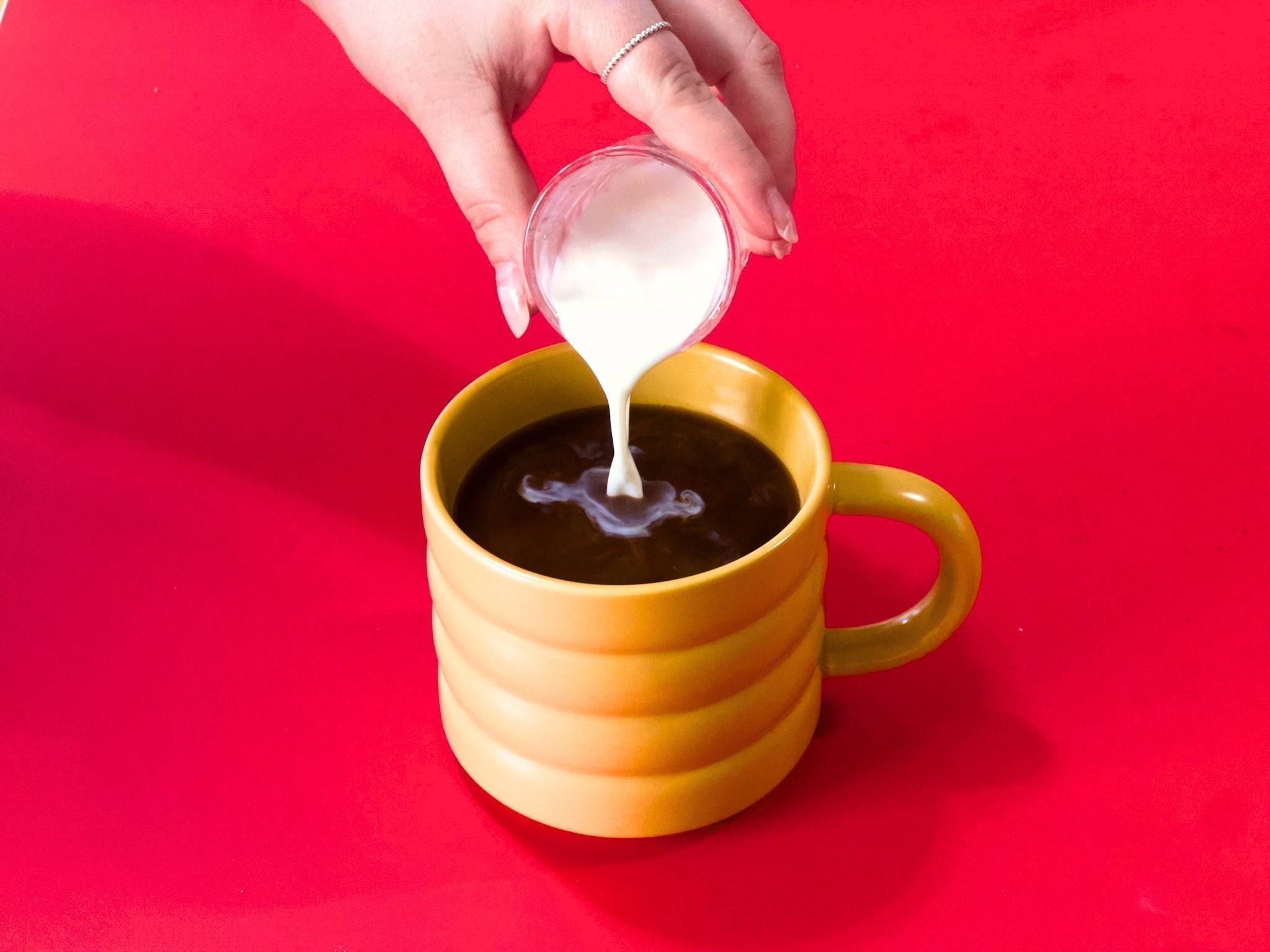
Decaf coffee has become increasingly popular among coffee lovers looking to reduce their caffeine intake without giving up the comfort and flavour of their daily cup. Whether you’re sensitive to caffeine, enjoy coffee later in the evening, or simply want more flexibility throughout the day, decaf coffee offers a satisfying alternative.
But what exactly is decaf coffee? How much caffeine does it contain? Does it taste different from regular coffee? And how is it made?
In this guide, we’ll cover everything you need to know about decaf coffee at a high level, while linking to more detailed resources if you’d like to explore specific topics further. If you’re ready to discover flavourful options for yourself, browse our Decaf Coffee Collection.
What Is Decaf Coffee?
Decaf coffee, short for decaffeinated coffee, is coffee that has had most of its caffeine removed while maintaining the flavour and aroma coffee lovers expect. Contrary to popular belief, decaf is not completely caffeine-free, but it contains significantly less caffeine than regular coffee.
Today’s decaf coffees are crafted to deliver the same rich, smooth experience as traditional coffee, making them an excellent option for any time of day.

How Much Caffeine Is in Decaf Coffee?
One of the most common questions about decaf coffee is how much caffeine it actually contains. On average, an 8 oz cup of decaf coffee contains around 2–10 mg of caffeine, compared to approximately 80–100 mg in regular coffee.
While the amount is minimal, it can vary slightly depending on the bean type, roast level, and brewing method used.
If you’d like a deeper breakdown of caffeine levels by brewing method, read our full guide here:
Read more: How Much Caffeine Is in Decaf Coffee?
Does Decaf Coffee Taste Different?
Modern decaf coffee tastes much better than many people expect. Advances in coffee roasting and decaffeination techniques have made it possible to preserve much of the original flavour profile of the beans.
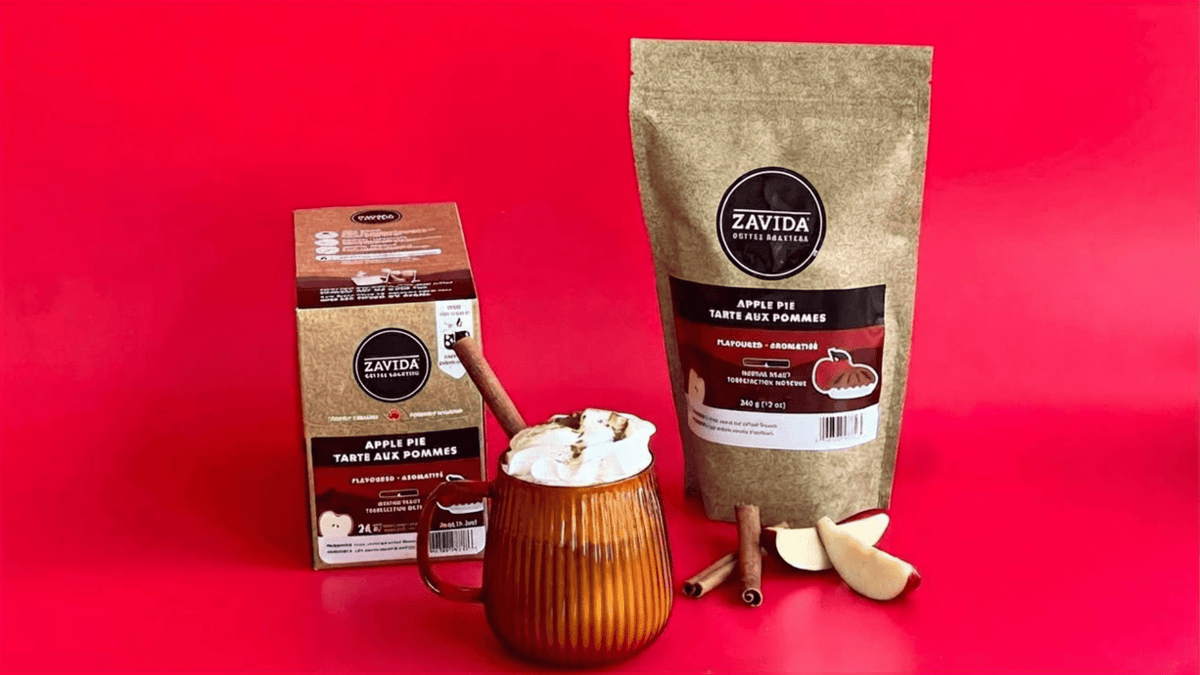
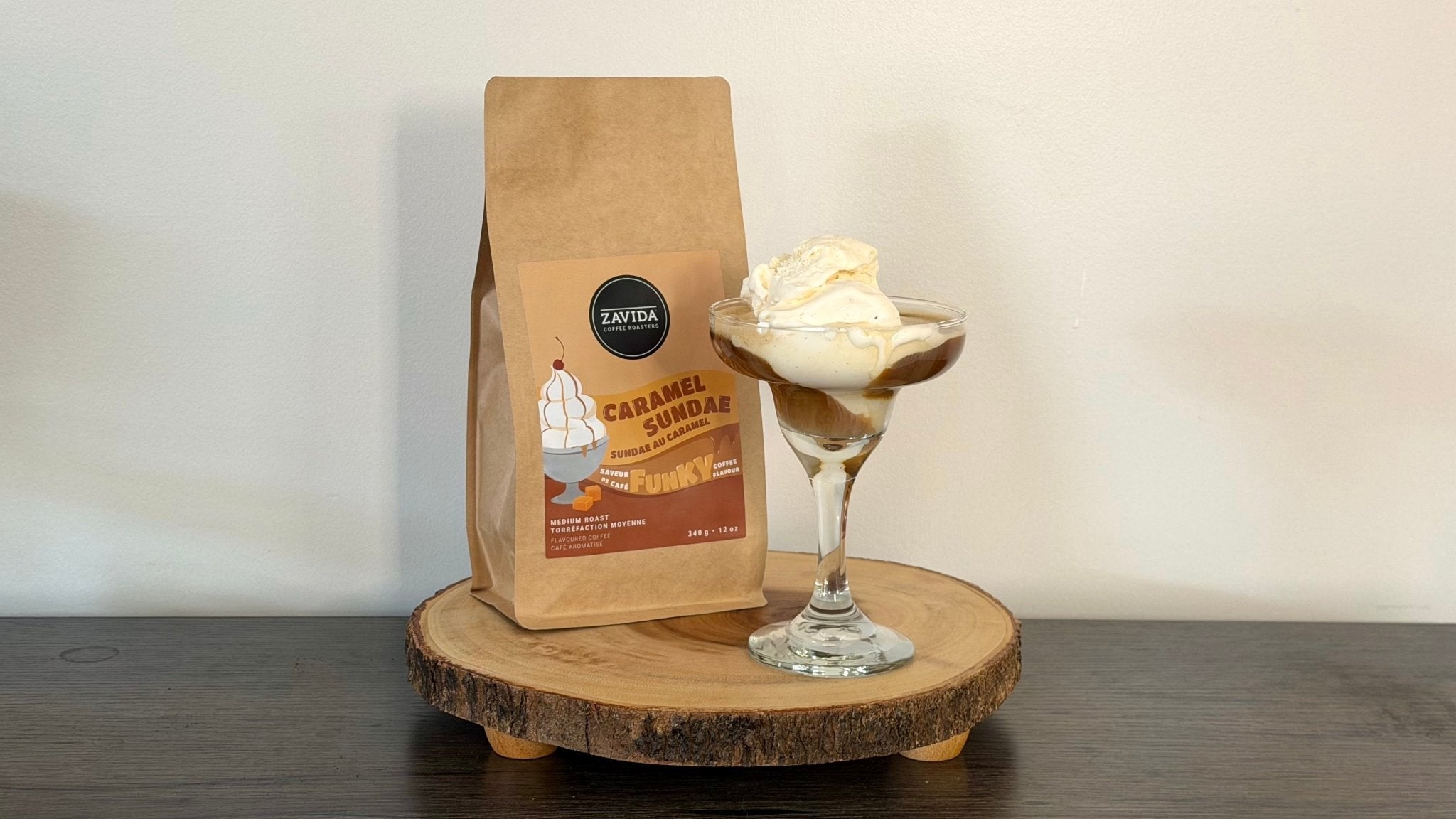
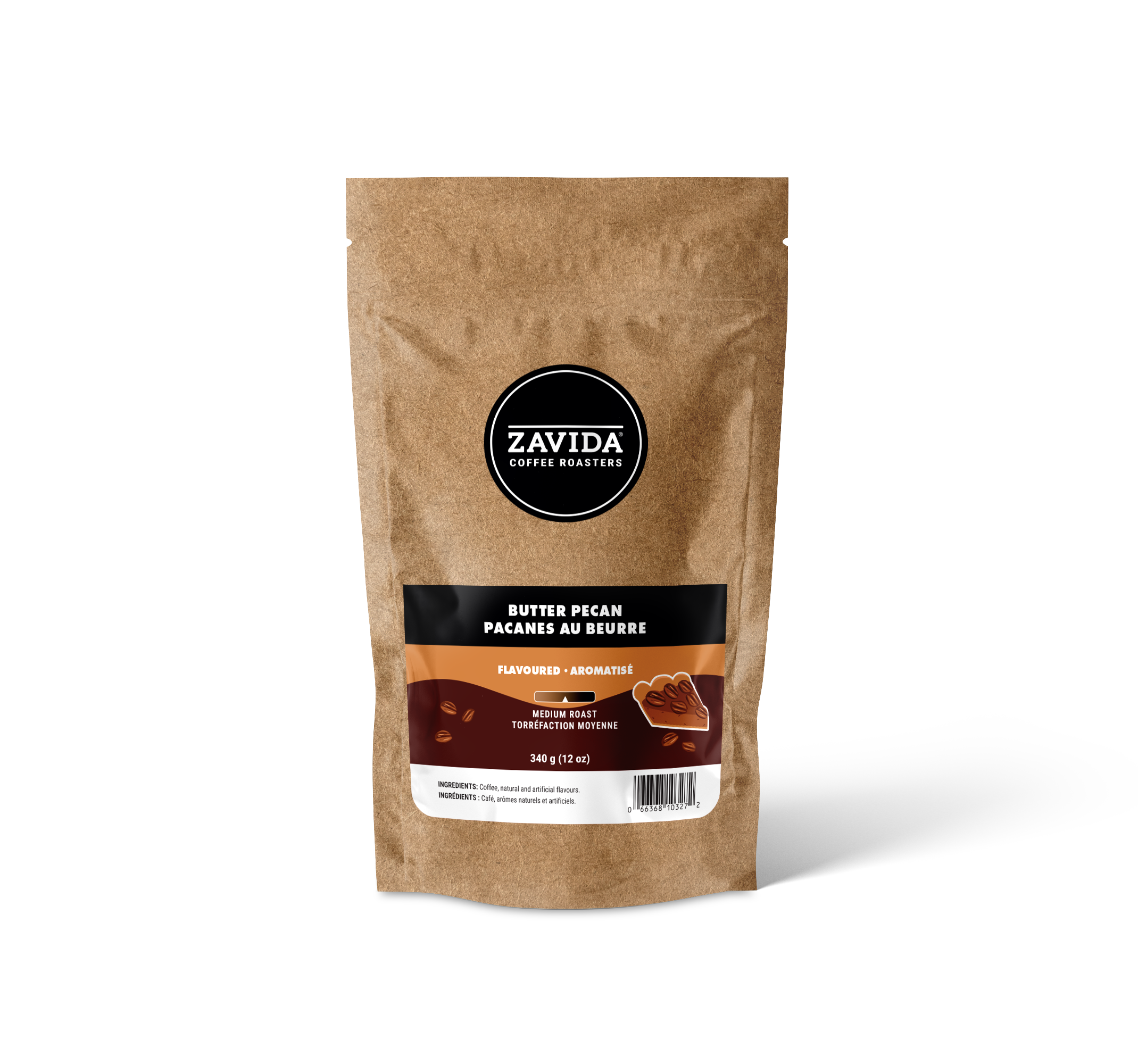
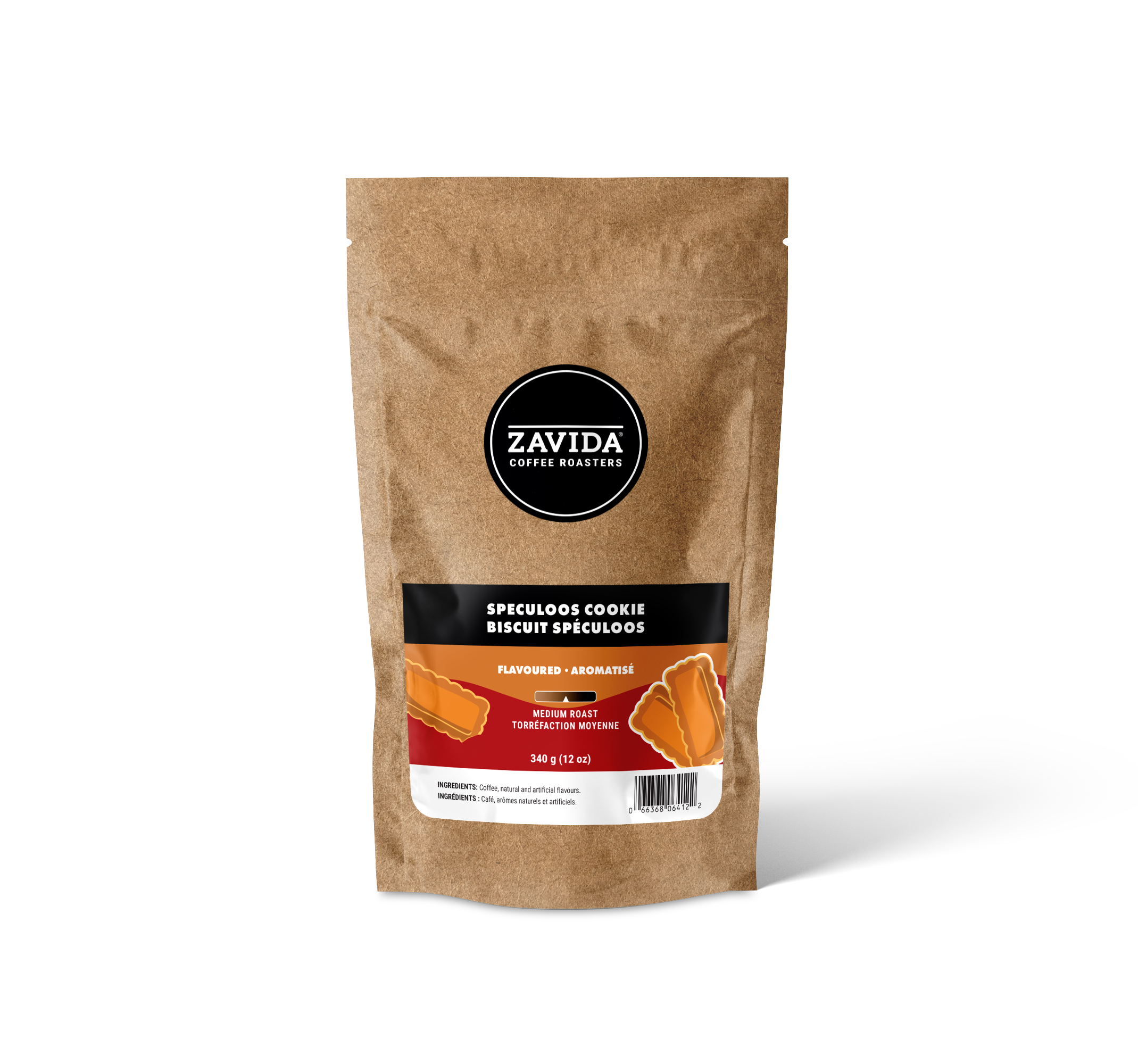
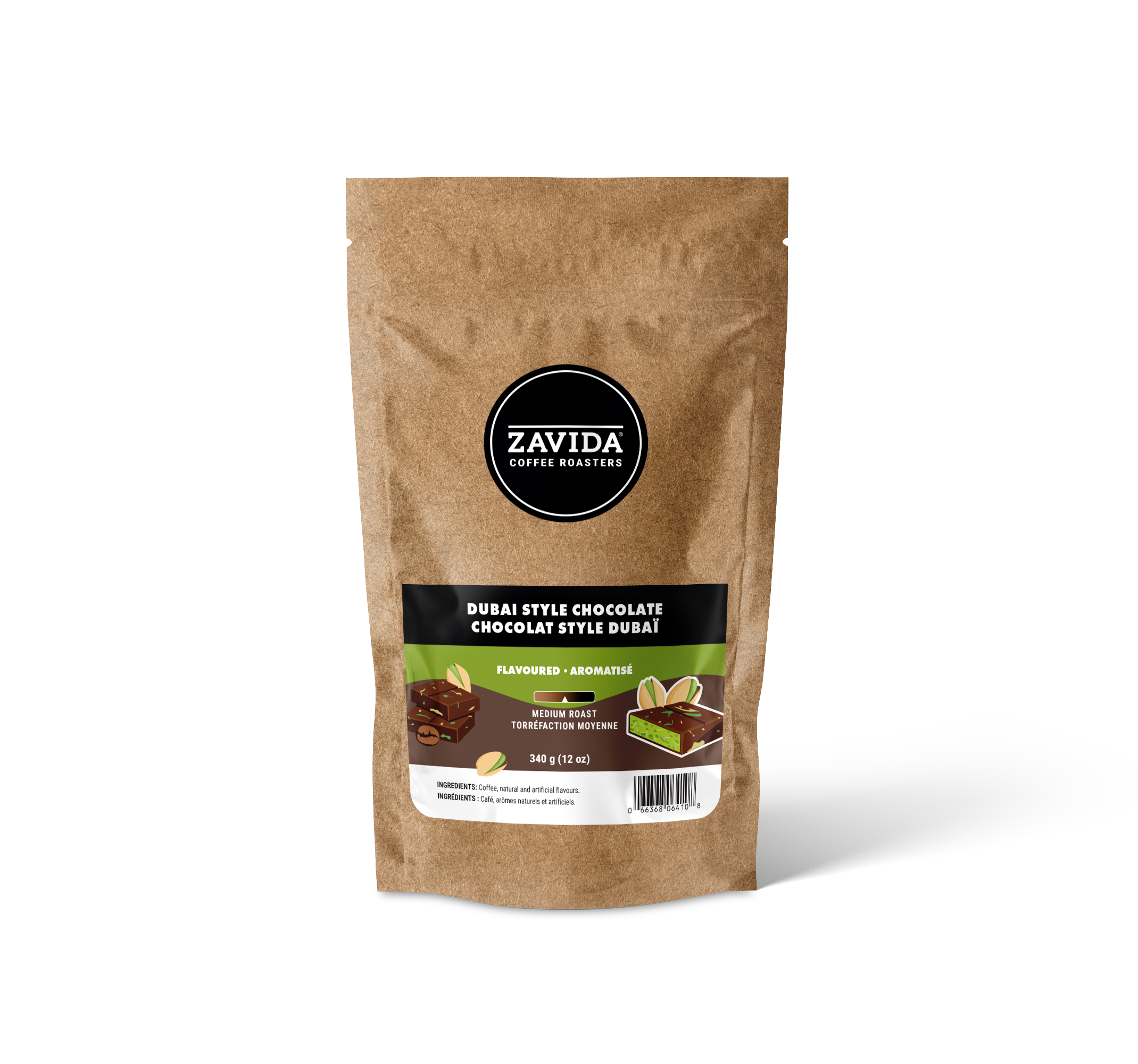
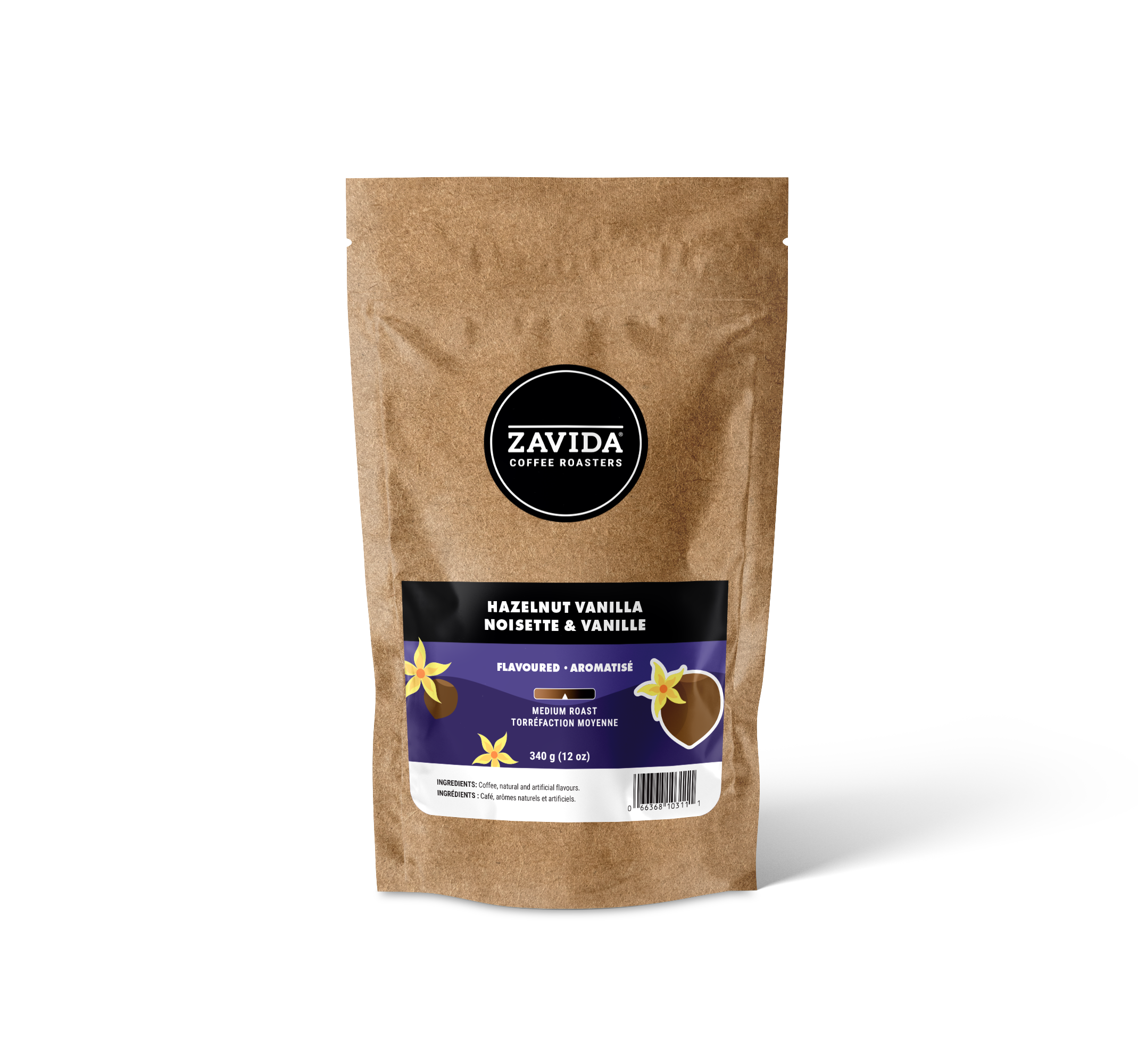
Depending on the roast and blend, decaf coffee can offer notes of chocolate, caramel, nuts, vanilla, or even dessert-inspired flavours. High-quality flavoured decaf coffees can deliver a rich and indulgent experience without the caffeine.
Explore our Decaf Coffee Collection to discover classic and flavoured options designed for full flavour.
Want to learn more about what influences the flavour of decaf coffee and how to make it taste even better?
Read more: What Does Decaf Coffee Taste Like?
How Is Decaf Coffee Made?
Decaf coffee goes through a process that removes most of the caffeine from the beans before roasting. There are several methods used throughout the coffee industry, each designed to preserve flavour while reducing caffeine.
Water-Based Decaffeination
This method uses water and filtration to gently remove caffeine while maintaining flavour compounds.
CO₂ Decaffeination
A more advanced method that uses pressurized carbon dioxide to extract caffeine selectively from the coffee beans.
Solvent-Based Decaffeination
This common process uses food-safe solvents to remove caffeine efficiently while preserving taste.
Mountain Water Process
Known for producing smooth, flavourful coffee, this water-based process is popular among premium decaf brands.
Each process offers different benefits in terms of flavour, body, and overall coffee experience.
If you’d like to compare these methods in more detail, including how they impact taste and quality, read our complete guide:
Read more: Decaf Coffee Processes Explained
Why People Choose Decaf Coffee
People choose decaf coffee for many different reasons, including:
- Reducing caffeine intake
- Enjoying coffee later in the day
- Having multiple cups without overdoing caffeine
- Preferring a smoother coffee experience
- Enjoying coffee flavour without the jitters
For many coffee drinkers, decaf provides balance and flexibility without sacrificing enjoyment.
Tips for Making Decaf Coffee Taste Better
Just like regular coffee, brewing technique can make a big difference in flavour. Here are a few simple tips:
- Use fresh coffee beans whenever possible
- Grind beans just before brewing
- Use filtered water
- Adjust your coffee-to-water ratio for a richer cup
- Choose the brewing method that best suits your taste preferences
Flavoured decaf coffees can also enhance the experience naturally, offering notes like vanilla, caramel, chocolate, or hazelnut without the need for added syrups.

Common Myths About Decaf Coffee
“Decaf coffee is completely caffeine-free.”
Not entirely—decaf still contains small amounts of caffeine.
“Decaf coffee tastes weak.”
High-quality decaf can be just as rich and flavourful as regular coffee.
“Decaf is only for nighttime.”
Many people enjoy decaf throughout the day for a smoother coffee experience.
“Flavoured decaf coffees taste artificial.”
Premium flavoured decaf coffees can provide balanced, dessert-inspired flavour profiles that complement the coffee naturally.
Choosing the Right Decaf Coffee
The best decaf coffee ultimately comes down to personal preference. Some people prefer bold dark roasts, while others enjoy lighter, smoother blends or flavoured coffees.
Whether you’re looking for a classic morning cup or a dessert-inspired evening coffee, our Decaf Coffee Collection offers a variety of options to fit your taste.
Final Thoughts
Decaf coffee has evolved far beyond the outdated perception of bland or flavourless coffee. Today, it offers a smooth, satisfying experience with significantly less caffeine—making it easier than ever to enjoy coffee on your terms.
From understanding caffeine levels to exploring flavour profiles and decaffeination methods, there’s a lot to discover about decaf coffee. And if you’d like to dive deeper into any topic, be sure to explore our related guides linked throughout this article.
Ready to discover your next favourite cup? Explore our Decaf Coffee Collection and experience just how flavourful decaf coffee can be.

Share:
What Does Decaf Coffee Taste Like? Flavour Guide & Brewing Tips
Best Coffee Makers Under $100