

If you love coffee but want to cut back on caffeine, decaf is often the go-to choice. But how “decaf” is it really? Understanding how much caffeine is in decaf coffee, and how it compares to other brewing methods, can help you make more informed choices about your daily cup.
In this guide, we’ll focus on decaf coffee first, then compare it to popular caffeinated brewing methods so you can see exactly where it stands. If you’re looking for smooth, low-caffeine options, explore our Decaf Coffee Collection for flavourful choices you can enjoy any time of day.
How Much Caffeine Is in Decaf Coffee?
Decaf coffee is not completely caffeine-free, but it comes very close. On average, an 8 oz (240 ml) cup of decaf coffee contains:
- 2 to 10 mg of caffeine per cup
That’s significantly lower than regular coffee, which typically contains 80 to 100 mg per cup. In other words, decaf coffee removes about 95–98% of the caffeine.
This makes decaf an ideal choice for those who are sensitive to caffeine, looking to reduce intake, or simply want to enjoy coffee later in the day without disrupting sleep.
What Affects Caffeine Levels in Decaf Coffee?
Even within decaf, caffeine levels can vary slightly depending on:
- Bean type: Arabica beans naturally contain less caffeine than Robusta
- Roast level: Darker roasts may have slightly less caffeine by volume
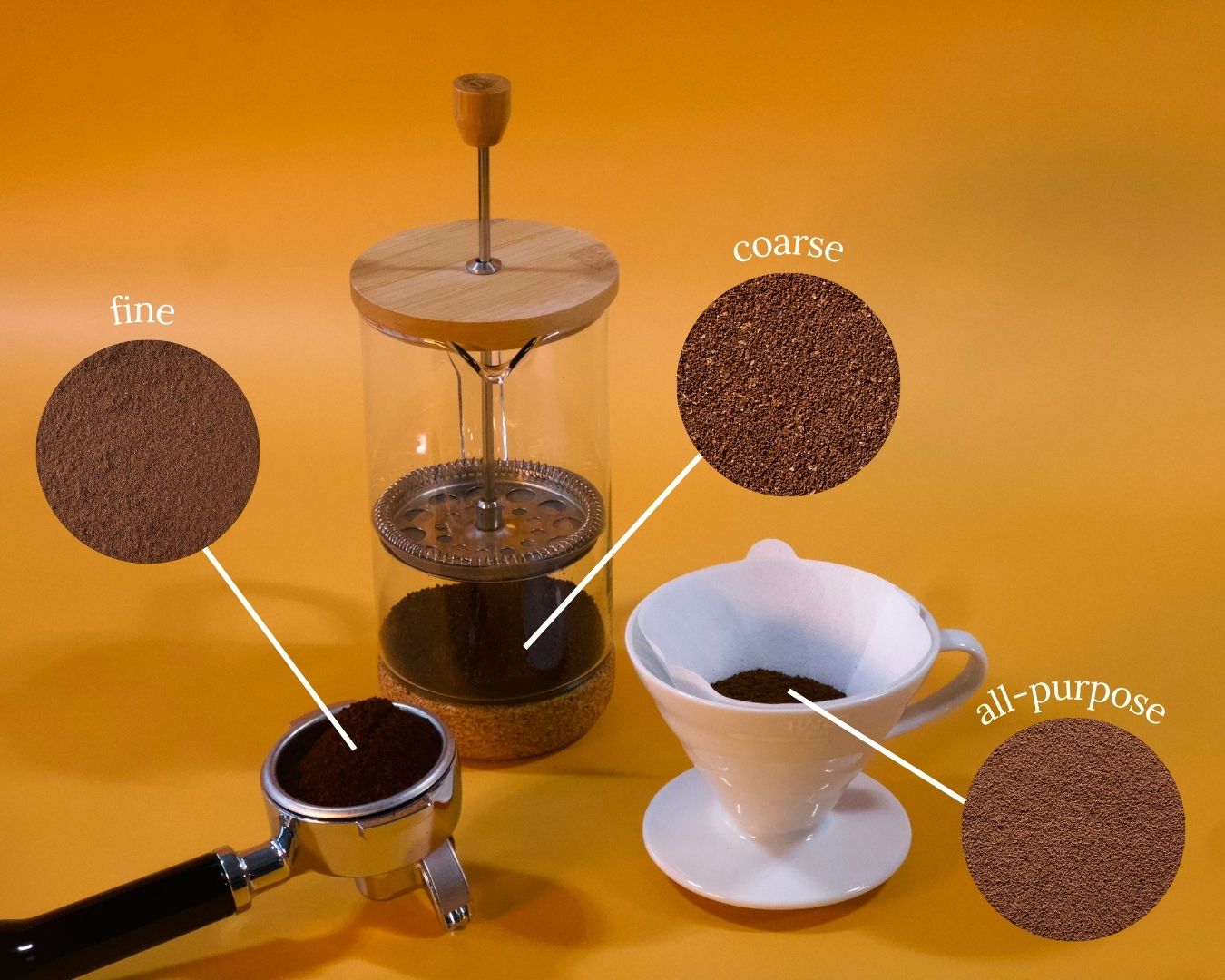
- Brewing method: Extraction time and water contact impact caffeine levels
- Serving size: Larger cups naturally contain more caffeine overall
While these differences are small, they can add up, especially if you drink multiple cups a day.

Decaf Coffee by Brewing Method
Even though decaf starts with minimal caffeine, your brewing method still plays a role in the final amount in your cup.
Drip Coffee (Decaf)
2–10 mg per 8 oz
A balanced, consistent option that reflects the typical decaf caffeine range.
Espresso (Decaf)
2–5 mg per shot
Lower per serving, but multiple shots can increase total caffeine.
French Press (Decaf)
5–10 mg per 8 oz
Longer steeping time may extract slightly more caffeine.
Cold Brew (Decaf)
5–15 mg per 8 oz
Extended steeping can increase extraction, even with decaf beans.
Single-Serve Pods (Decaf)
2–8 mg per cup
Convenient and consistent, with controlled caffeine levels.
For the best experience, start with high-quality beans like those in our Decaf Coffee Collection, which are crafted to deliver full flavour with minimal caffeine.
How Does Decaf Compare to Regular Coffee?
To put things into perspective, here’s how decaf stacks up against common caffeinated brewing methods:
Drip Coffee (Regular)
80–100 mg per 8 oz
Espresso (Regular)
60–75 mg per shot
French Press (Regular)
90–120 mg per 8 oz
Cold Brew (Regular)
100–200 mg per 8 oz
Single-Serve Pods (Regular)
75–100 mg per cup
As you can see, even the highest decaf caffeine levels are significantly lower than the lowest regular coffee options, making decaf a clear winner for reducing caffeine intake.

Myths vs Facts About Decaf Coffee
Myth 1: Decaf Coffee Is Completely Caffeine-Free
Fact: Decaf still contains small amounts of caffeine, typically 2–10 mg per cup.
Myth 2: Decaf Coffee Is Weak or Watery
Fact: High-quality decaf can be just as rich and flavourful as regular coffee.
Myth 3: Decaf Doesn’t “Count” as Coffee
Fact: Decaf is real coffee, just with most of the caffeine removed.
Myth 4: You Can Drink Unlimited Decaf
Fact: While low in caffeine, it still adds up if you drink multiple cups.
Professional Tips for Brewing Better Decaf Coffee
- Use Slightly More Coffee Grounds: Enhances body and flavour
- Brew Fresh: Grind beans just before brewing for best results
- Watch Your Water Temperature: Aim for 90–96°C
- Choose the Right Method: French press or cold brew can boost richness
- Store Properly: Keep coffee airtight and away from light
Why Choose Decaf Coffee?
Decaf coffee is perfect for:
- Reducing caffeine without giving up coffee
- Enjoying coffee in the evening
- People sensitive to caffeine
- Anyone who wants multiple cups throughout the day
It offers flexibility, letting you enjoy coffee on your terms, without the jitters.
Final Thoughts
So, how much caffeine is in decaf coffee? While not completely caffeine-free, it contains only a fraction of what you’ll find in regular coffee, typically between 2 and 10 mg per cup.
When compared to traditional brewing methods, the difference is clear. Decaf delivers the flavour and comfort of coffee with significantly less caffeine, making it a smart choice for any time of day.
Ready to make the switch or simply mix things up? Explore our Decaf Coffee Collection and discover just how satisfying low-caffeine coffee can be.


Share:
How to Make a Speculoos Cookie Iced Coffee with Cold Foam